How to Make an AI Movie in 2026: The 6-Step Process We Use
By RSENL AI Films · · 4 min read
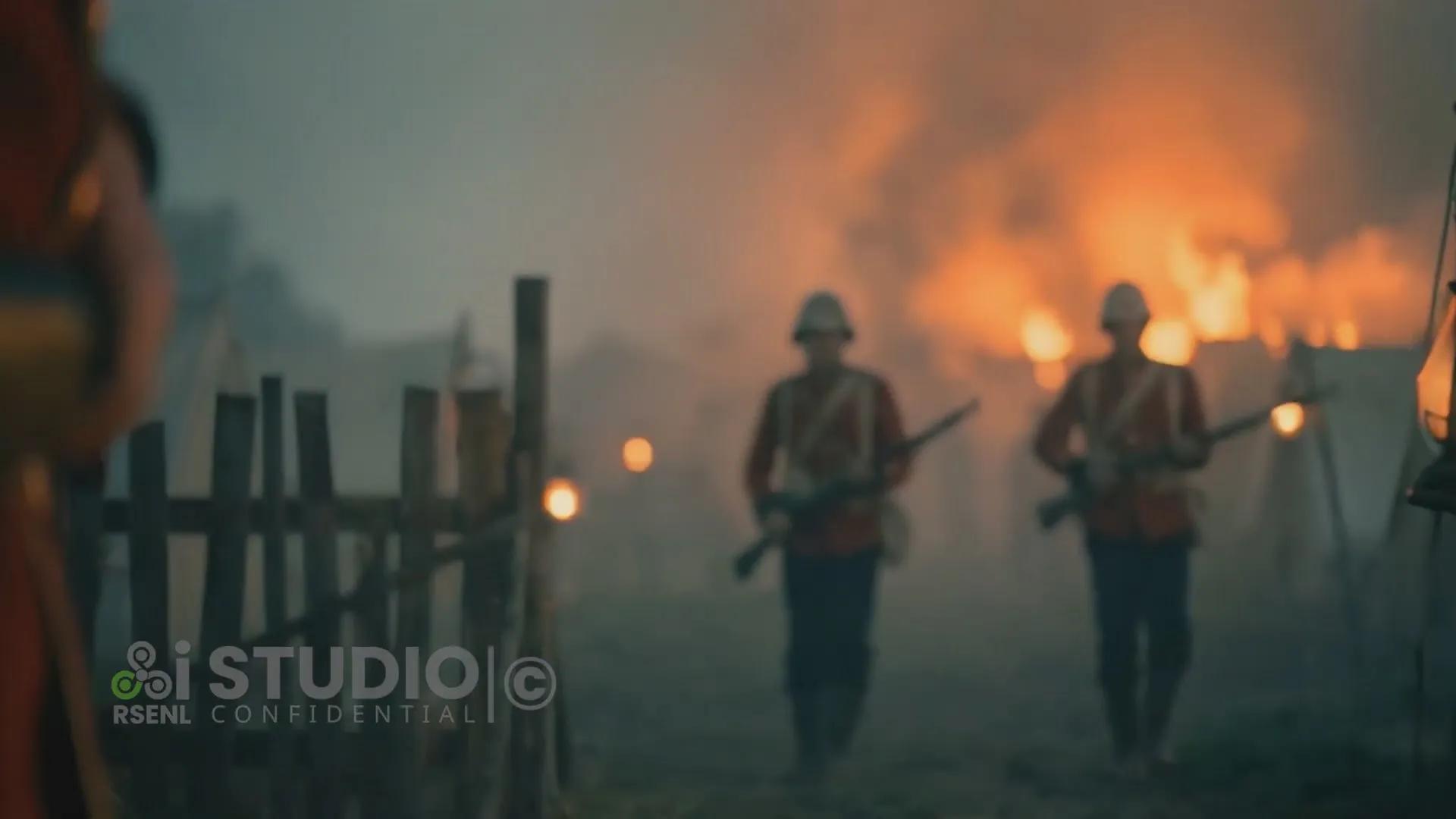
An AI movie is made the way any film is made, with a script, a director and an edit, except that the shots are generated instead of filmed. The hard part isn't generating pretty clips; it's keeping characters, worlds and pacing consistent for minutes at a time. Here is the six-step process we use for every film, from Bharat AI Film to the Sunder Masala series.
What counts as an AI movie?
An AI movie is a film where generative AI produces most of what a camera, set and crew normally would: the characters, locations, camera moves, and often the voices and music. People still decide everything that makes it a film. At RSENL AI Films every project has a human director and writers; AI is the camera and the crew, not the author.
That distinction matters because the tools are now good enough to make a beautiful five-second clip in a minute. What they don't do on their own is tell a story that holds together for five minutes. The process below exists to solve that.
Step 1: Ideate the story, not the visuals
We start by agreeing on the emotional core. What should the audience feel? What world are we building, and why does it matter? It's tempting to start generating images on day one, but a film that starts from visuals usually ends up as a montage. A film that starts from a feeling ends up as a story.
Step 2: Lock the script and the running time
The script becomes the reference for every later decision. We write to a specific running time and structure. For short-form work we use a hook in the first two seconds, escalation, a twist and a payoff. In the Sunder Masala series each film runs 23 to 38 seconds and still fits that whole arc, with an average shot length of about 1.3 to 1.4 seconds.
Step 3: Define characters and the world, then freeze them
This is the step that separates an AI film from a pile of AI clips. Before production, we design every character's face, wardrobe, jewellery and colour palette, plus the key locations, and we keep those references fixed for the whole film.
On Sunder Masala that meant four recurring characters keeping the same faces across five films and more than 220 generated shots. On historical work like Rebels of Satpura it meant period costumes and mountain terrain that stay believable from the first shot to the last.
Step 4: Visualize with a timed storyboard
Every shot is generated first as a finished still, timed to the second and cut into an animatic. The client approves real frames and real pacing, not sketches. This is where most creative changes happen, and it's the cheapest place for them: changing a still takes minutes, while re-animating a sequence takes far longer.
Step 5: Generate the shots, with several takes each
Each approved keyframe is animated into a video clip, usually image-to-video, with several takes per shot. As on a real set, most takes aren't used. We choose the one with the right expression, timing, camera move and continuity with the shots around it. Out of 220+ generated shots on Sunder Masala, about two and a half minutes made it to screen.
Step 6: Finalize with edit, sound and a proper master
The last step is ordinary post-production, and it's where an AI movie starts to feel like cinema: the edit, colour grade, upscale to a 4K master, music, sound design, dialogue or voice-over, and subtitles. We deliver 16:9 masters plus 9:16 and 1:1 versions for phones and feeds.
How long does it take?
It depends on length and complexity, but much less than a traditional shoot. On Sunder Masala the first storyboard was approved on 19 September 2026 and the last of five films was delivered on 28 October 2026, about six weeks. First cuts arrived one to six days after each storyboard was signed off, and many revisions came back within a day.
The mistakes we see most often
- Starting with tools instead of a story. The newest model won't save a weak idea.
- No character lock. If faces drift between shots, the audience stops believing in the character.
- Skipping the animatic. Without one, pacing problems only show up after the expensive work is done.
- Using AI for everything. Sound, edit and grade still make or break the film. We do them the traditional way.
Watch the result
The best way to judge an AI film is to watch a few. We've collected our story-led work, including short films, trailers and a micro-drama series, on our AI movies page. You can also read how the full process works.
Frequently asked questions
Can one person make an AI movie?
One person can make a short AI film, especially a few minutes long. Longer or commercial work usually needs a small team: a director, a writer, AI artists to generate and select shots, and an editor and sound designer to finish it.
How long can an AI movie be?
Our films range from 30-second teasers to multi-minute short films and an educational film of over 18 minutes. Longer films are made in sequences, using the same character and world references throughout so they stay consistent.
Is an AI-generated movie really 4K?
We generate at the highest quality the models offer, then upscale and finish to a 4K master during the grade, which works for large screens, festivals and streaming.
See it in our work